

Diagnosi di infertilità
Studi diagnostici sull'infertilità
Sebbene la sequenza di questi studi possa variare, può includere alcuni o tutti i seguenti elementi:
- Storia di entrambi i partner
- Esame fisico
- Esame pelvico e/o ecografia pelvica
- Valutazione della cavità uterina +/- pervietà tubarica con isterosalpingografia (HSG) o ecografia con infusione salina (ecografia ad acqua)
- Analisi del seme
Studi diagnostici su partner femminili

Test della riserva ovarica
Come parte della valutazione standard della fertilità, otteniamo una valutazione della fornitura di uova. In genere, ciò comporta l'esecuzione di un'ecografia pelvica, in cui contiamo il numero totale di follicoli che sono stati reclutati per la potenziale ovulazione (conta dei follicoli antrali). Inoltre, controlleremo i livelli ematici dell'ormone anti-mulleriano (AMH), un'altra misura della riserva ovarica. Entrambi questi test possono essere eseguiti in qualsiasi momento durante il ciclo mestruale.
Pannello Malattie Infettive e Laboratori Prenatali
Potresti essere sottoposto a screening per HIV, epatite B e C, RPR e malattie a trasmissione sessuale (MST). La partner femminile potrebbe aver bisogno di un gruppo sanguigno e di un titolo di rosolia/varicella (per assicurarsi che sia immune al morbillo tedesco e alla varicella).
Isterosalpingografia (HSG)
Questo test viene eseguito in regime ambulatoriale. Implica l'iniezione di colorante nel tuo utero che si presenta su una radiografia. Il colorante delinea l'interno dell'utero e delle tube. Se le tube di Falloppio sono aperte, il colorante passa nella cavità pelvica circostante e viene riassorbito dal tuo corpo. Può essere associato a crampi. Questo test viene eseguito dopo aver interrotto le mestruazioni ma prima dell'ovulazione, generalmente tra i giorni 6 e 12 del ciclo. Se c'è una preoccupazione per il blocco delle tube o l'evidenza di un tubo ostruito e gonfio (idrosalpinge) viene sottoposto a un ciclo di antibiotici.
Kit di previsione di picco/ovulazione di LH
Di solito il giorno 10 del ciclo (10 giorni dal primo giorno delle mestruazioni), ti verrà chiesto di controllare l'urina ogni mattina con uno speciale test stick fornito in un kit di previsione dell'ovulazione. Quando hai un risultato positivo, ovulerai entro 24-36 ore. Questo test prevede se stai rilasciando l'ovulo al momento giusto del tuo ciclo e ci aiuta a programmare i tuoi test diagnostici post ovulazione.


Ecografia con infusione salina (Sonoisterogramma, idrosonogramma) (ecografia dell'acqua)
Questo è un test per esaminare la cavità uterina alla ricerca di anomalie, come polipi o fibromi. Viene eseguito tra i giorni del ciclo 6-12 e prevede l'iniezione di soluzione fisiologica sterile nella cavità uterina durante l'esecuzione di un'ecografia pelvica. La distensione della cavità uterina consente una valutazione più accurata della cavità uterina. Ci vogliono circa 10 minuti in ufficio ed è associato a un minimo disagio.
Altri possibili test
Su alcuni individui, possono essere eseguiti ulteriori test ormonali in base alla storia clinica.
Test diagnostici per partner maschili
Il partner maschile fornisce metà del materiale genetico alla nuova prole attraverso lo sperma. Ci sono diversi test disponibili per valutare il partner maschile per determinare se sta contribuendo alla lotta contro l'infertilità delle coppie. Il test più semplice viene utilizzato per primo e seguito da test più invasivi se vengono rilevate anomalie.
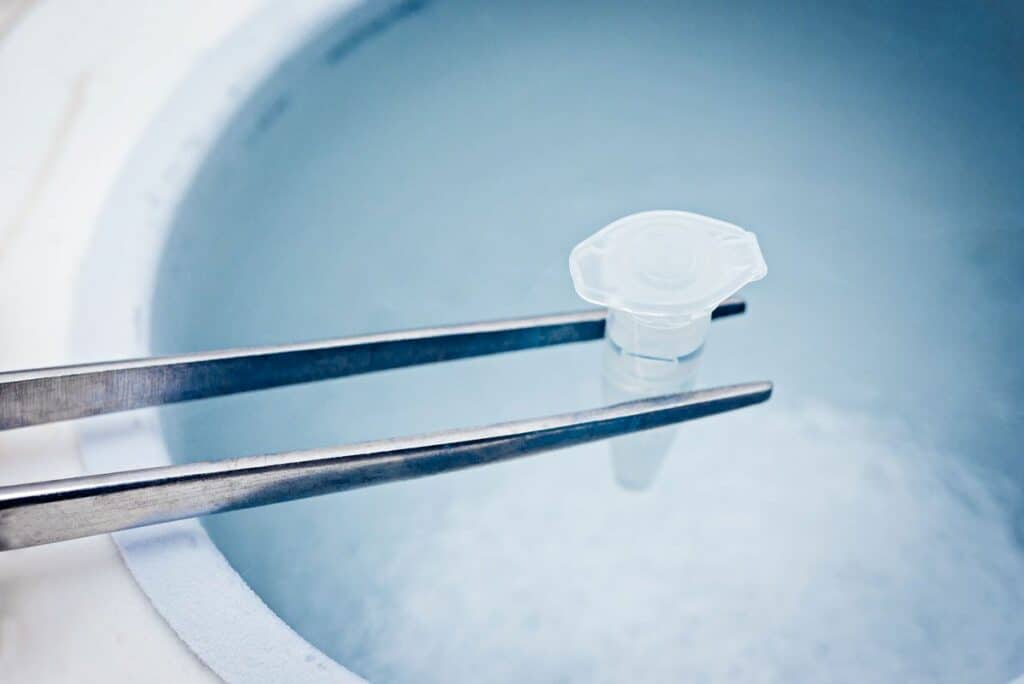
Analisi del seme
Si tratta di un semplice test per verificare la presenza e la quantità di spermatozoi oltre a valutare le caratteristiche dello sperma trovato. Si ottiene tipicamente con la masturbazione dopo 2-5 giorni di astinenza. Il campione deve essere conservato a temperatura ambiente fino a quella corporea e trasportato al laboratorio entro un'ora (1). I risultati sono generalmente disponibili entro 1 giorno.
Test ormonali
Se l'analisi dello sperma dimostra un basso numero di spermatozoi, possono essere richiesti esami del sangue ormonali per cercare di determinare la causa del basso numero. Gli ormoni comuni che possono essere ordinati sono FSH, LH, estrogeni, prolattina, TSH e un livello di testosterone.
Test genetici
A seconda dei risultati del test ormonale, possono essere richiesti ulteriori test genetici. Alcune mutazioni genetiche (come le microdelezioni Y) o anomalie cromosomiche (come la sindrome di Klinefelter, 47XXY) possono causare un basso numero di spermatozoi. I test genetici vengono eseguiti su campioni di sangue.
Pannello Malattie Infettive
Sia i partner maschili che femminili, in cui il corpo/i liquidi possono essere trasferiti attraverso il laboratorio, sono tenuti a sottoporsi a screening delle malattie infettive. Potresti essere sottoposto a screening per HIV, epatite B e C, sifilide, virus linfotropico delle cellule T umane (HTLV) e citomegalovirus (CMV).